
Basement Conversion Cost Estimates UK
Basement projects are the most expensive and technically complex residential conversion type. Getting an independent professional estimate before you commit to architects, structural engineers, and specialist contractors is not just sensible, it is essential.
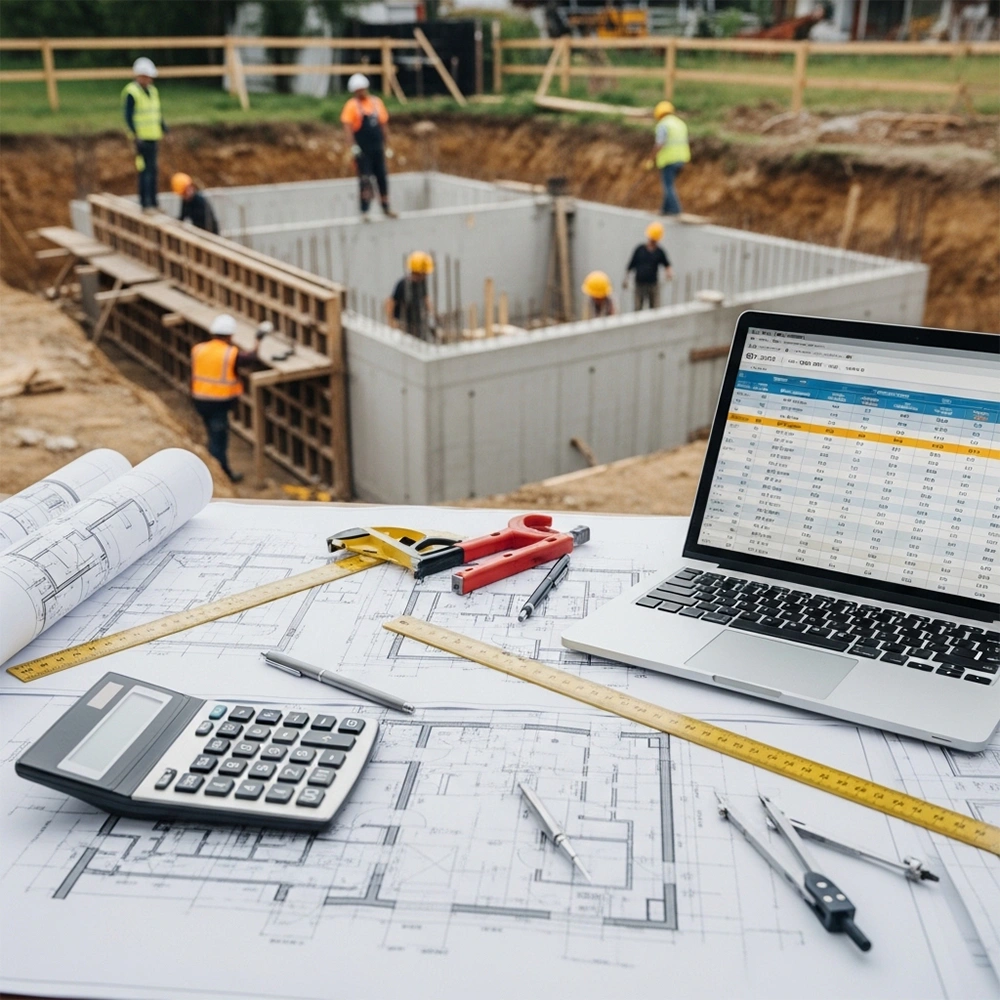
Cellar Conversion vs New Basement Excavation
These are two very different projects with very different costs. The terminology gets used interchangeably, but the scope of work, risk profile, and budget required are not comparable. Understanding which one you are actually dealing with is the first step to getting a reliable estimate.
Converting an Existing Cellar
- checkThe underground space already exists, so no excavation is required
- checkPrincipal works are waterproofing, floor slab, headroom improvements if needed, and full fit-out
- checkGenerally does not require planning permission unless structural changes are significant
- checkMore predictable cost range than new excavation, though still subject to waterproofing and structural unknowns
- checkCommon on Victorian and Edwardian properties across most UK cities
New Basement Excavation
- priority_highRequires excavation, underpinning the existing foundations, and muck-away disposal
- priority_highGround investigation is essential before costs can be properly fixed
- priority_highPlanning permission usually required, along with structural engineer involvement from day one
- priority_highParty wall agreements with neighbours almost always necessary
- priority_highHighest cost per square metre of any residential project type
Why Basement Costs Are the Hardest to Estimate Without a Professional
Below ground, almost everything that affects cost is invisible until work starts. Soil type, groundwater levels, the condition of existing foundations, the proximity of neighbouring foundations, drainage runs and service locations, none of these show up in an architect's drawing. They all affect the cost of the project in ways that a square metre rate simply cannot capture.
Waterproofing alone has three distinct approaches under British Standard 8102, and the right one depends on site-specific conditions. The difference between a cavity drain membrane system and a full tanking approach can be significant in both cost and programme. Getting it wrong is not just expensive, it is a structural and habitation risk.
This is why basement projects, more than any other residential conversion type, require a professional cost estimate based on actual drawings and a ground investigation report. Without that, any figure is essentially a guess.
Our residential construction cost estimating service covers basement projects across the UK. We work alongside structural engineers and use ground investigation information wherever it is available, and we are clear about where it is not.
A note on feasibility: one of the most useful things a professional basement estimate does is tell you whether the project makes financial sense at all. In some locations outside London and the South East, the cost of a new basement excavation exceeds the value it adds to the property. Knowing that before you spend money on detailed design is genuinely valuable.
If you are considering a basement as an alternative to a rear extension, it is worth comparing both options with professional cost plans before committing to either. Our house extension cost estimating service can run both scenarios so you have a like-for-like comparison.
What a Basement Cost Estimate Covers
We cost every element from ground investigation through to finished fit-out. Nothing is left as a vague allowance without explanation.
Excavation and Muck Away
Volume of soil to be removed, disposal costs, and any traffic management or permits required for tight urban sites. One of the biggest variables on new excavation projects.
Underpinning and Temporary Works
Mass concrete underpinning or beam and base systems priced to structural engineer specification. Temporary works propping costs where required during excavation.
Waterproofing System
Structural waterproofing to BS 8102, whether cavity drain membrane, cementitious tanking, or a combined approach. Sump and pump installation where required by site conditions.
Lightwell and External Access
Where included in the design, lightwells and external access stairs are priced separately as they vary significantly in cost depending on depth, size, and waterproofing specification.
Services and M&E
Drainage, sewage ejector pump if below drain invert, full M&E first and second fix, ventilation system, and any service diversions required during excavation.
Internal Fit-Out and Finishes
Floor screed and finish, wall boarding and plastering, ceiling, lighting, and room fit-out to your specification. Costed as a separate element so you can make informed decisions about specification level.
Key Risk Items We Always Include
These four items are routinely underestimated or omitted entirely from basement specialist quotes. We account for all of them from day one.
Party Wall Agreements
Almost every basement project in a terraced or semi-detached property requires party wall agreements with one or more neighbours. The cost depends on how many adjoining owners are affected and whether any of them appoint their own surveyor. We include a provisional allowance based on the site layout and provide a realistic range rather than a token figure.
Ground Investigation and Surveys
Structural engineers need to know what is in the ground before they can design the underpinning and waterproofing system. A ground investigation report is not optional on any new excavation project. We include an allowance for this as a preliminary cost item, flagged clearly so you know it is needed before detailed design begins.
Services Diversions
Drainage runs, gas mains, water supply pipes, and telecoms infrastructure regularly pass through areas that need to be excavated. Identifying and diverting these adds cost that is very difficult to predict without a survey, but the risk needs to be acknowledged in the budget rather than ignored.
Contingency for Ground Conditions
Basement projects carry a higher contingency requirement than any other residential conversion type, typically 15 to 20 percent. This is not pessimism. It reflects the reality that below-ground work regularly encounters conditions that differ from what ground investigation predicted. We always state this clearly and explain why.
Basement Conversion Estimating FAQs
Do I need a ground investigation report before you can estimate?expand_more
How does your estimate help with planning applications?expand_more
We only have an existing cellar with low headroom. Is it worth converting?expand_more
How is a basement estimate different from a loft conversion estimate?expand_more
Can you estimate a basement in a conservation area or listed building?expand_more
Related Residential Estimating Services
Get your basement project properly costed before you commit
Send us your drawings, any survey reports, and your project brief. We will review the scope and confirm turnaround within 24 hours.